12 August 2026
Wool and layers: dressing kids for cold
Three layers, each with one job, and the right size for each. The warmth is not in the fabric, it is in the air the layers trap.
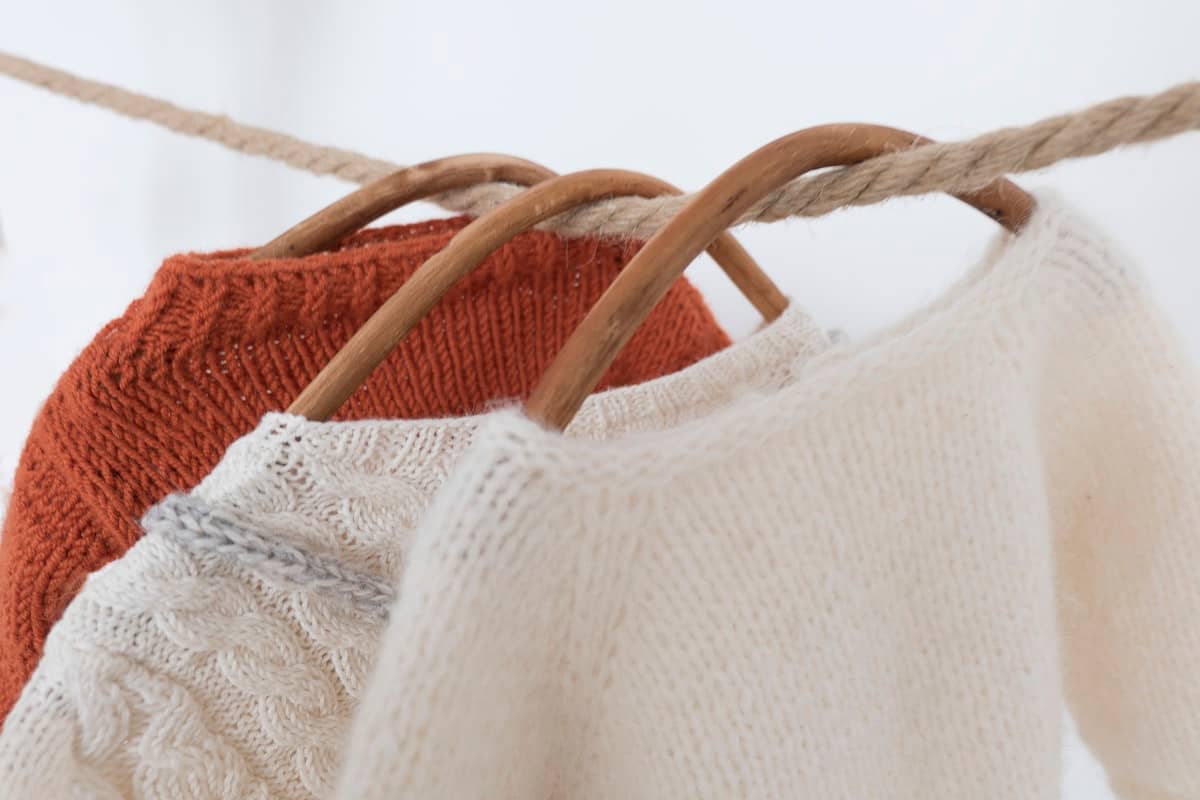
The base layer moves sweat away from the skin. The middle layer holds warmth. The shell keeps wind and water out. A cotton t-shirt under a snowsuit fails the first job on the first sledding hill: cotton soaks up moisture and holds it against the skin, and a damp layer is a cold layer no matter what sits on top.
Wool is the answer to the base layer for one plain reason: it keeps warming while damp. A merino set is the hardest-working winter garment in a Nordic hallway, worn from October to April under everything. It also needs washing far less often than cotton; hang it by the window overnight and it is fresh in the morning.
One size per layer
The layers are sized differently, and this is where charts confuse. Base layer: the child's actual size, close to the body, since loose wool moves no sweat. Middle layer: the same size or one up, it should sit easy. Shell: room for both underneath, which is why a snowsuit is bought roomier than a summer jacket. The warmth lives in thin sheets of air between the layers; a stack pulled tight has none left.
For preschool, count sets rather than garments: one wool set on the child, one in the locker, two pairs of wool socks in rotation, and a fleece as the middle layer that lives at preschool through the week. On a mild day, drop the middle layer and keep base plus shell; that adjustment is the whole point of dressing this way.
Care is what makes wool cheap per worn day: wool cycle at 30 degrees, wool detergent, never fabric softener, since softener coats the fibers that do the work. Most days airing replaces washing entirely. The same rules keep the snowsuit alive, and that has its own post below.